Arugula
Eruca vesicaria
Three weeks from sowing to salad, and increasingly fierce as the weather warms.
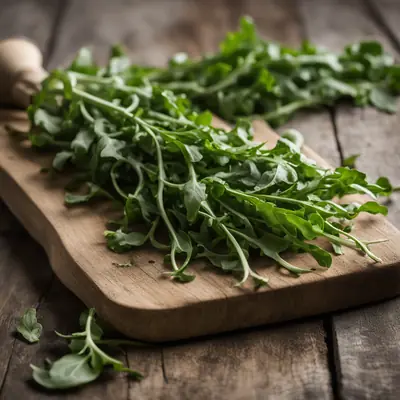
The fastest thing you can grow
Baby leaves in three weeks, full size in five or six. That speed makes it the ideal gap-filler and the best crop for impatient beginners. Sow a short row every two weeks in spring and autumn.
Heat sharpens it
Cool-grown arugula is nutty and mildly peppery; heat-grown is aggressively hot, tough and can be genuinely unpleasant. Both have their uses, but if you want the mild version, grow it in spring and autumn only.
Sow shallow and thin
A quarter-inch deep, thinned to four to six inches for full-size plants, or broadcast densely and cut as baby leaf. It germinates readily in cool soil.
Flea beetles
Arugula is one of their favourite hosts and young plants can be reduced to lace. Floating row cover from the day of sowing is the practical answer and costs nothing in pollination, since you are harvesting leaves.
Bolting is quick but not wasted
It runs to seed fast in warmth. The flowers are edible, pleasantly peppery and good in salads, and the young seed pods are edible too. Cut plants back hard at the first sign of a flower stalk and you may get another flush of leaves.
Wild versus cultivated
Wild or perennial arugula (Diplotaxis) has narrower, more deeply lobed leaves, a stronger flavour, and is slower to bolt and hardier. Worth growing alongside the common type if you like the flavour.
Winter growing
Very hardy. Under a low tunnel it produces through most of a zone 6b/7 winter and is one of the most reliable cold-frame salad crops.
Harvest and storage
Cut leaves individually or shear the whole stand an inch above the crown for a second and third cutting. It wilts fast - harvest in the morning, wash in cold water, spin dry, and use within a few days.
- Days to harvest
- 25-40
- Spacing
- 4-6 in
- Row spacing
- 10-12 in
- Sun
- Full to part
- pH
- 6.0-7.0
- Season
- Spring and fall
- Sow
- Direct, succession
- Hardiness
- Takes hard frost