Broccoli
Brassica oleracea var. italica
A cool-season crop that turns bitter and bolts the moment it decides summer has arrived.
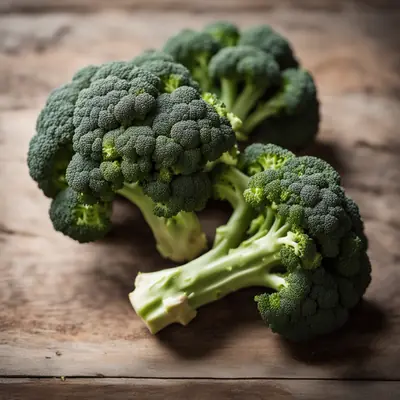
Fall beats spring here
Spring broccoli races the heat and frequently loses - one hot week turns a tight head loose, yellow and bitter. A crop timed to mature in cool October weather is far more reliable in zone 6b/7. Start seed indoors in early summer, transplant midsummer, and keep the young plants well watered through the heat.
Soil and feeding
A heavy feeder. Work in plenty of compost, hold pH between 6.0 and 7.0, and side-dress with nitrogen three weeks after transplanting and again as the head starts to form. Underfed plants button early and make small heads.
Do not check the transplants
Rootbound seedlings or a dry spell after transplanting cause buttoning - a tiny premature head on a stunted plant that never recovers. Pot on rather than letting them sit in cells, and water in thoroughly.
Cut the crown, keep the plant
Harvest while the beads are tight and dark green, before any yellow shows; once a single flower opens quality drops fast. Cut the stem at an angle five or six inches down so water does not sit on the stump. The plant then produces side shoots for weeks, and across a season these often outweigh the main head.
Cabbage worms
Imported cabbageworm, cabbage looper and diamondback moth will all find it. Floating row cover from the day of transplanting is the cleanest control, since brassicas need no insect pollination. Bt (Bacillus thuringiensis) works well if you prefer to spray and affects only caterpillars.
Other pests
Flea beetles shot-hole young leaves. Cabbage aphids colonise crowns in cool weather and are best knocked off with a strong jet of water before they get into the head. Cabbage root maggot attacks spring transplants; a cardboard collar at the stem base blocks egg-laying.
Diseases and disorders
Clubroot causes swollen distorted roots and stunted plants, persists for years in acidic soil, and is managed by liming to pH 6.8-7.0 and a strict three to four year rotation. Black rot shows as V-shaped yellow lesions from the leaf margin - use clean seed and avoid working the plants when wet. Hollow stem usually means too much nitrogen or growth that was simply too fast.
Harvest and storage
Cut in the morning while the head is cool and turgid. It keeps about a week in the fridge in a loose bag and freezes very well after a three-minute blanch. Pick side shoots every few days to keep them coming.
Choosing varieties
Match days-to-maturity to your window, and look for heat tolerance if you insist on a spring crop. Sprouting types such as purple sprouting are grown differently - overwintered for a spring harvest - and are worth trying under cover in a mild year.
- Days to harvest
- 55-85
- Start indoors
- 6-8 wks pre-frost
- Spacing
- 18 in
- Row spacing
- 24-30 in
- Sun
- Full
- pH
- 6.0-7.0
- Best season
- Fall
- Water
- 1-1.5 in/week