Butterhead Lettuce
Lactuca sativa var. capitata
The most tender and the first to bolt. A spring and autumn crop, not a summer one.
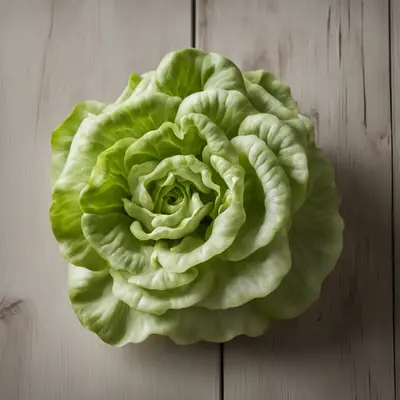
Bolts soonest of all lettuce
Butterhead types - Bibb, Boston, Buttercrunch, Tom Thumb - run to seed at lower temperatures than romaine or looseleaf, often around 75F. Treat them strictly as a cool-season crop: sow in very early spring and again in late summer, and do not expect them to carry through July.
Extremely tender, which cuts both ways
The soft buttery leaves are the point, and they are also fragile. Butterhead bruises in handling, wilts fast after cutting, and keeps only four to six days. Grow it to eat within a day or two.
Leaves sit on the soil
The loose spreading head means outer leaves rest on the ground, which invites slugs, splash-borne rot and grit. Mulch under the plants, or grow them in a raised bed or container where you can keep them clean.
Sow shallow and thin properly
Seed needs light - barely cover it. Thin to eight to ten inches; crowded butterhead does not form a proper heart and bolts sooner.
Steady water above all
Shallow roots and rapid growth mean any drought check makes the leaves tough and bitter and triggers bolting. An inch or more a week, consistently. Light regular nitrogen keeps it growing fast.
Good in containers and under cover
Small, quick and compact, butterhead suits pots, window boxes and cold frames better than any other lettuce. Under a low tunnel it will produce well into a zone 6b/7 winter.
Pests and disease
Slugs are the primary problem given the ground-hugging habit. Aphids hide in the heart. Bottom rot and grey mould in wet conditions; downy mildew in cool damp spells.
Harvest and storage
Cut the whole head at the base early in the morning. Handle it gently, wash in cold water, spin dry and refrigerate in a bag with a paper towel. Use within a few days.
- Days to harvest
- 45-60
- Spacing
- 8-10 in
- Row spacing
- 12-18 in
- Sun
- Full to part shade
- pH
- 6.0-7.0
- Bolts above
- ~75F
- Habit
- Loose soft head
- Storage
- 4-6 days