Cherry Tomato
Solanum lycopersicum var. cerasiforme
The most forgiving tomato there is. It sets in heat that shuts big-fruited types down.
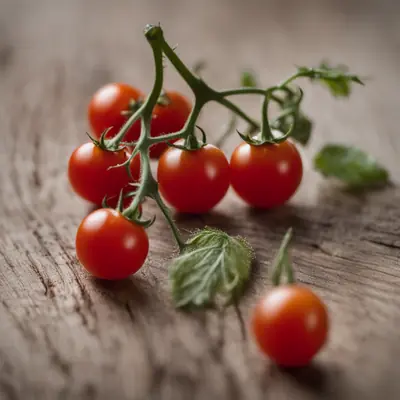
Why it is the easy one
Small fruit sets and ripens fast, so cherry tomatoes fruit through heat and humidity that make beefsteaks drop their flowers, and they crop weeks earlier and continue weeks later. If you want tomatoes rather than a specific tomato, start here.
Indeterminate means it never stops
Most cherry varieties - Sungold, Sweet Million, Black Cherry, Matt's Wild - are indeterminate: they grow from the tip continuously and fruit all season until frost. Expect six to ten feet of vine. A few (Tumbling Tom, Red Robin) are determinate or dwarf and suit pots and hanging baskets. Check before you buy, because the two need completely different support.
Support properly from the start
A single-stem string trellis or a tall sturdy cage. Flimsy conical tomato cages collapse under an indeterminate cherry by July. Put the support in at planting so you are not driving stakes through the root system later.
Pruning is optional here
Suckers can be removed to keep a single or double leader for airflow and easier picking, but cherry tomatoes fruit heavily on suckers and unpruned plants generally yield more. Prune for management, not for yield - and remove the lower twelve inches of foliage regardless, which reduces soil-splash disease significantly.
Plant deep
Bury two-thirds of the stem, stripping the lower leaves. Tomatoes root along buried stem, giving a much larger root system and a more drought-resistant plant. Leggy transplants can be laid in a shallow trench horizontally with the tip curved up.
Cracking is the main flaw
Thin-skinned cherry tomatoes split when a dry spell is followed by heavy water - the interior swells faster than the skin can stretch. Consistent moisture and a thick mulch are the fix. Cracked fruit is still perfectly edible if used at once; pick before an expected downpour.
Feeding
Compost at planting and a balanced or potassium-leaning feed every three weeks once fruit sets. Heavy nitrogen gives you an enormous plant with few tomatoes.
Diseases
Early blight (target-spots working up from lower leaves) and septoria leaf spot (small grey spots with dark rims) are nearly universal here in humid summers. Mulch, water at the base, space generously, and strip lower leaves as they go. Fusarium and verticillium wilt cause one-sided yellowing and collapse - look for VFN-resistant varieties and rotate on three to four years.
Pests
Tomato hornworm can defoliate a plant overnight; hand-pick, but leave any hornworm covered in white rice-like cocoons, which are parasitic wasps that will kill more. Stink bugs cause pale corky spots under the skin. Aphids and whitefly cluster on tips.
Harvest and storage
Pick when fully coloured and slightly soft; cherry types are best left an extra day or two past first colour. Never refrigerate a tomato above 55F if you can help it - cold destroys the aroma compounds permanently. Whole cherry tomatoes freeze surprisingly well for cooking, and they roast down into excellent sauce.
- Habit
- Mostly indeterminate
- Days to harvest
- 55-70 from transplant
- Fruit size
- 0.5-1 in
- Spacing
- 24-36 in
- Support
- 6 ft+ cage or string
- Sun
- Full
- pH
- 6.2-6.8
- Cracking
- High risk if watering is uneven