Kohlrabi
Brassica oleracea var. gongylodes
A swollen stem that grows above ground, ready in two months and best eaten small.
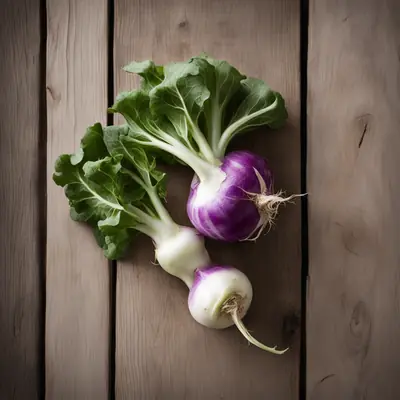
Small is better
Harvest at two to three inches across, about a tennis ball. Beyond that most varieties go woody and fibrous at the centre and cooking will not fix it. Large storage varieties such as Superschmelz are the deliberate exception and stay tender much bigger.
It is a stem, not a root
The edible part is a swollen stem sitting on the soil surface, not underground. Do not hill soil around it - it does not need burying and will rot if you do.
Fast, and good for succession
At six to eight weeks it is one of the quickest brassicas, useful for filling gaps between slower crops. Sow every three weeks in spring and again from midsummer for autumn.
Steady growth matters
A check from drought or heat causes premature bolting or a tough woody bulb. Consistent moisture is the main thing. Spring crops must be timed to swell before real heat arrives.
Direct sow or transplant
Both work. Direct sowing avoids transplant check - thin to six inches. Transplants give an earlier start but must go out before they become rootbound.
Pests
Flea beetles are the main nuisance on young plants, shot-holing the leaves; row cover early solves it. Cabbageworm and aphids apply as with all brassicas.
Harvest and preparation
Cut the stem at ground level. Peel thickly - there is a fibrous layer under the skin that stays tough even on young bulbs. Raw it is crisp, juicy and mild, somewhere between a radish and a broccoli stem; it also roasts and gratins well. The leaves are edible and cook like kale.
Storage
Trim the leaves off and it keeps several weeks in the fridge, longer for the big storage types somewhere cold and damp. The leaves wilt within days and should be used first.
- Days to harvest
- 45-60
- Spacing
- 6 in
- Row spacing
- 12 in
- Sun
- Full
- pH
- 6.0-7.0
- Harvest at
- 2-3 in
- Season
- Spring and fall
- Water
- Steady