Mint
Mentha spp.
Plant it in the ground once and you will be pulling it out of that bed for a decade.
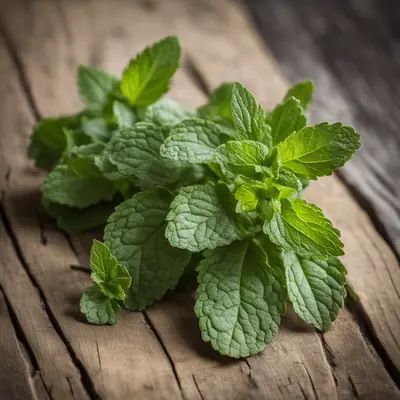
Containers only - take this seriously
Mint spreads by underground rhizomes and is genuinely invasive in a garden bed. It will travel under paths, come up through other plants, and take years to eradicate. Grow it in a pot, or sink a bottomless container at least twelve to eighteen inches deep with the rim standing an inch or two above soil level, since it also runs over the top.
It likes what most herbs do not
Unlike the Mediterranean herbs, mint wants moist, rich soil and tolerates part shade happily. A damp corner suits it. In a pot it needs regular watering - it wilts dramatically when dry and the roots fill a container fast.
Cut it back hard and often
Shear the whole plant by half two or three times a season. It regrows quickly and the new growth is far better than tired old flowering stems. Cutting back before flowering keeps the flavour strongest.
Repot or divide annually
A potted mint becomes root-bound within a year and declines. Every spring, tip it out, cut the rootball into quarters, discard the woody centre, and replant one piece in fresh compost. This single job keeps mint productive indefinitely.
Varieties cross and seedlings disappoint
Different mints grown near each other hybridise freely, and seed-grown mint is famously variable and usually poor. Always propagate by division or cuttings from a plant you have tasted. Peppermint in particular is a sterile hybrid and cannot come true from seed at all.
Know which mint you have
Spearmint is the culinary default. Peppermint is stronger and more menthol, better for tea. Chocolate, apple, pineapple and Moroccan mints are all distinct and worth choosing deliberately rather than buying an unlabelled "mint".
Pests and disease
Mint rust is the main problem - small bright orange pustules on leaf undersides, which spread and defoliate. It is systemic in the rhizomes, so the reliable fix is to destroy the plant and start fresh with clean stock elsewhere. Spider mites and aphids occur on stressed plants.
Harvest and storage
Pick before flowering for the best flavour. Fresh sprigs keep a week standing in water. Mint dries reasonably well and freezes well chopped in ice cubes. It also roots in a glass of water within a week, which makes replacing or sharing plants trivially easy.
- Hardiness
- Zone 3-9
- Spacing
- Contain it
- Sun
- Full to part
- pH
- 6.0-7.5
- Water
- Moist
- Spread
- Aggressive runners
- Life
- Perennial
- Propagate
- Division or cuttings