Mustard Greens
Brassica juncea
Sharp, peppery and fast. The heat in the leaf rises with the heat in the weather.
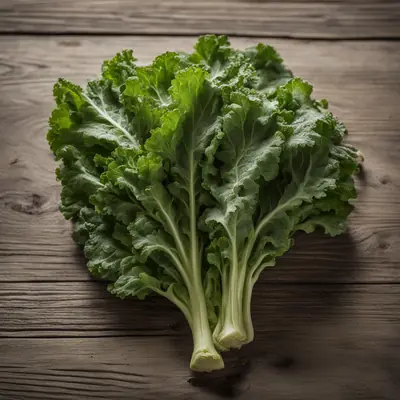
Cool weather is milder
Grown fast in cool weather the flavour is bright and pleasantly sharp; grown slowly in heat it turns aggressively hot, coarse and tough. This is entirely predictable, so sow in early spring and again from late summer and skip midsummer.
Very fast
Baby leaves are usable in three to four weeks, full size in six. Sow a short row every two to three weeks for a continuous supply rather than one big planting that bolts all at once.
Cut and come again
Harvest outer leaves individually and the plant keeps producing for weeks, or cut the whole thing an inch above the crown for a second and sometimes third flush.
Bolting is not a total loss
Long days and warmth send it to flower quickly, but the flower buds and young shoots are good eating - like a sharp broccoli raab - so a bolting plant still earns its space.
Flea beetles
Mustards are among their favourite hosts and young plants can be shredded. Row cover from sowing is the practical answer; older plants tolerate the damage cosmetically.
It will self-sow
Let one plant shed seed and you will have volunteer mustard in that bed for years. Sometimes convenient, often a weed problem - cut the seed heads before they shatter if you do not want it.
Varieties differ enormously
They range from mild green types through frilly red giants to intensely hot Asian varieties like gai choy. Read the description, because the heat level is not consistent across the group.
Kitchen and storage
Keeps under a week in the fridge. Traditional long-braised southern greens tame the heat completely; quick sautéing keeps more of it. Young leaves are good raw in a mixed salad where a little bite is wanted.
- Days to harvest
- 30-45
- Spacing
- 6 in
- Row spacing
- 12-18 in
- Sun
- Full to part
- pH
- 6.0-7.5
- Season
- Spring and fall
- Sow
- Direct, succession
- Hardiness
- Light frost tolerant