Paste & Roma Tomato
Solanum lycopersicum
Bred to be dry. That is the whole point, and it is why they make sauce and not salad.
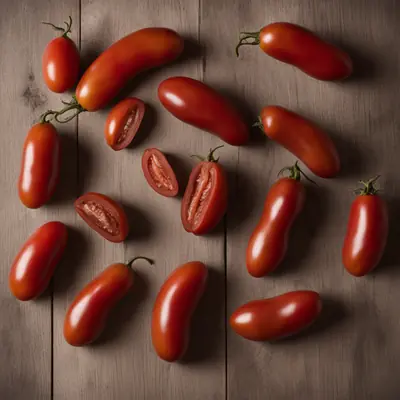
Low water, high solids
Paste tomatoes have thick walls, few seeds and little gel, so they cook down to sauce in a fraction of the time a slicer takes and yield far more finished product per pound. Eaten raw they are mealy and bland - that is not a fault, it is the design.
Determinate, which changes everything
Most paste varieties (Roma, San Marzano, Amish Paste is the exception at semi-determinate) are determinate: they grow to a fixed size, set all their fruit in a two to three week window, ripen it, and decline. This is ideal for canning day. Do not prune suckers on a determinate plant - each sucker carries fruit, and removing them directly cuts your yield.
Support anyway
Determinate does not mean small. A caged plant keeps fruit off the ground and away from soil-splash disease. A sturdy cage is enough; you do not need the tall trellising an indeterminate demands.
Succession for a longer season
Because the crop comes all at once, plant two batches three weeks apart if you want sauce over a longer period rather than one enormous weekend.
Blossom end rot is common
Paste types are among the most susceptible, because the elongated fruit shape makes calcium delivery to the blossom end harder. Even watering and a heavy mulch matter more here than with any other tomato. Trim and use affected fruit.
Water and feed
Steady moisture until fruit begins to colour, then ease off slightly - a little water stress at the end concentrates flavour and solids, which is exactly what you want in a sauce tomato. Do not let it get so dry that the plant wilts.
Diseases
Early blight and septoria as with all tomatoes; determinate plants defoliate faster once infected because they cannot grow new leaves indefinitely, so mulching and lower-leaf removal matter. Look for VF-resistant lines.
Harvest and processing
Pick fully coloured and firm. Because everything ripens together, plan the processing day in advance. They peel easily after thirty seconds in boiling water, can reliably (add lemon juice or citric acid for safe acidity), and dry well. San Marzano types in particular need good sun and a long warm run to develop their character.
- Habit
- Often determinate
- Days to harvest
- 70-85
- Fruit
- Oblong, 2-5 oz
- Spacing
- 24-30 in
- Support
- Cage
- Sun
- Full
- pH
- 6.2-6.8
- Use
- Sauce, canning, drying