Potato
Solanum tuberosum
Tubers form above the seed piece, not below it, which is why hilling matters so much.
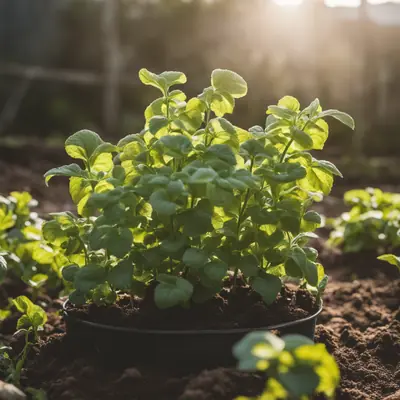
Hilling is the whole technique
New tubers form on stolons growing off the buried stem, above the seed piece - never below it. Pull soil or straw up around the stems twice as they grow, burying the lower third each time. More buried stem means more potatoes, and it keeps developing tubers out of the light.
Use certified seed potatoes
Supermarket potatoes are often sprout-inhibited and can carry disease. Certified seed is clean and worth the small cost. Cut large tubers into pieces with at least two eyes each and let the cut faces dry and callus for a day or two before planting, or plant small ones whole.
Chitting and planting
Pre-sprouting (chitting) seed in a bright cool place for a few weeks gives an earlier crop. Plant two to four weeks before last frost, four inches deep, twelve inches apart. Frost will kill emerged foliage, so mound soil over shoots if a late frost threatens.
Low pH on purpose
Potatoes are one of the few crops that prefer acidic soil, partly because common scab is suppressed below about pH 6. Do not lime a potato bed, and avoid fresh manure, which also encourages scab.
Water evenly
Consistent moisture from flowering onward is when tubers bulk. Irregular watering causes knobbly, hollow or cracked tubers. Stop watering once the foliage begins to die back so the skins can set.
Colorado potato beetle
The signature pest: striped adults, fat red larvae, and bright orange egg clusters on leaf undersides. Hand-picking works well on a garden scale if you start early and crush the eggs. Bt tenebrionis and spinosad are effective; the beetle develops resistance quickly, so rotate what you use and rotate the crop itself well away from last year.
Blight and other diseases
Early blight causes concentric brown target-spots on lower leaves late in the season. Late blight - the potato famine disease - spreads fast in cool wet weather with dark water-soaked lesions and white fuzz underneath, and can destroy a crop in days. Remove volunteers, space for airflow, avoid overhead watering, and destroy infected foliage rather than composting it. Scab causes corky patches that are cosmetic only.
Green means solanine
Any tuber exposed to light turns green and accumulates solanine, which is genuinely toxic and tastes bitter. Cut green parts away generously or discard the potato. Hill properly and store in the dark to avoid it.
Harvest and curing
New potatoes can be robbed from the edge of a hill once flowering starts. For maincrop storage, wait until the tops die back, then leave the tubers two weeks longer in the ground to set skins. Lift on a dry day, cure at 50-60F in the dark for ten to fourteen days, then store at 40-45F, dark and humid. Never refrigerate below 40F - the starch converts to sugar and they go sweet and brown badly when fried. Do not store potatoes and apples together.
- Days to harvest
- 70-120
- Plant
- 2-4 wks pre-last-frost
- Spacing
- 12 in
- Row spacing
- 30-36 in
- Depth
- 4 in, then hill
- pH
- 5.0-6.0
- Sun
- Full
- Storage
- 4-6 months