Pumpkin
Cucurbita pepo / maxima
Grown for carving or for eating, and rarely the same variety for both.
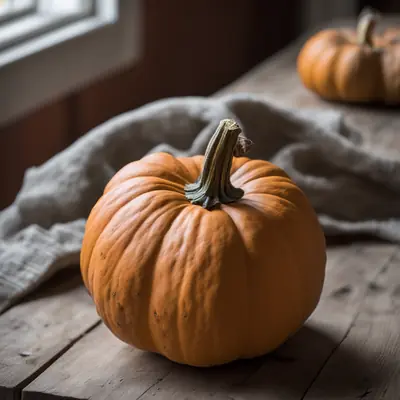
Carving versus eating
Large jack-o-lantern types are bred for size, shape and a hollow cavity - the flesh is watery and stringy on the plate. For cooking grow a small dense variety sold as a pie or sugar pumpkin, or frankly grow butternut or kabocha instead, which beat any pie pumpkin.
Timing for Halloween
Count back 100-110 days from the end of October, so sow late May into early June here. Sown too early they mature in September and start softening before you want them.
Space and feeding
Full-size vines want at least fifty square feet per plant. Rich soil and a nitrogen side-dress early, easing off once fruit sets so the plant invests in fruit rather than leaf.
Limit the fruit for size
For large pumpkins, let each vine carry one or two and pinch off later sets and the growing tip beyond them. Left alone the plant sets several medium fruit instead - which is fine if that is what you want.
Keep them off the soil
A board or straw pad under each fruit prevents rot underneath and keeps the skin clean. Turning them gently every week or two evens the colour, but be careful of the stem.
Pests and disease
Squash vine borer, squash bugs and cucumber beetles are the main threats. Powdery mildew arrives late and is largely cosmetic once the fruit has sized up.
Harvest
Cut with three to four inches of stem when the rind is hard, fully coloured and the stem is drying. Never carry a pumpkin by its stem - if it snaps the fruit rots quickly. Bring them in before a hard freeze.
Curing and storage
Cure ten days somewhere warm and dry, then store at 50-55F. Cooking pumpkins keep two to three months; big carving types rather less. Once carved, a pumpkin lasts only days.
- Habit
- Vining
- Days to harvest
- 90-120
- Spacing
- 36-60 in
- Sun
- Full
- pH
- 6.0-7.5
- Soil temp
- 65F+
- Sow
- Late May-Jun
- Harvest
- Before hard frost