Serrano
Capsicum annuum
Hotter and thinner-walled than a jalapeno, and it does not need seeding for salsa.
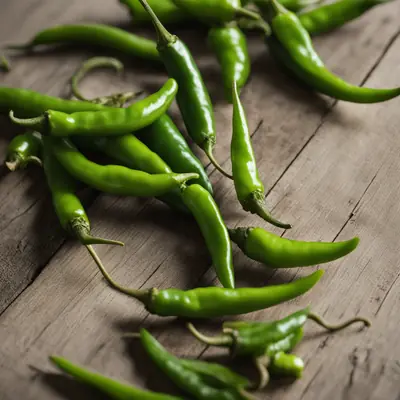
Three to five times a jalapeno
Serranos run 10,000 to 25,000 Scoville against a jalapeno's 2,500 to 8,000. Substituting one for the other in a recipe by count will make it considerably hotter - use roughly half as many.
Thin walls change how you use it
Serranos have thin flesh and little internal pith, so they blend smoothly into raw salsas without needing to be seeded or peeled, and they dry well. Jalapenos, with thick walls, are better for stuffing and roasting.
Growing is identical to jalapeno
Start indoors eight to ten weeks ahead at 80-85F, transplant after nights hold above 55F, space eighteen to twenty-four inches, feed moderately, water steadily. Nothing about the culture differs.
Very heavy yields
A single healthy serrano plant produces fifty or more pods over a season and keeps going until frost. Two plants is usually more than a household can use fresh.
Green, red and beyond
Picked green they are bright and grassy; left to turn red they sweeten and the heat rounds out. Both are useful and there is no reason to pick only one stage.
Heat varies with the season
As with all Capsicum, hot dry weather and mild water stress push capsaicin up. A serrano from a hot September can be markedly fiercer than one from a wet July.
Pests and disease
Aphids, corn borer and bacterial leaf spot, as with other peppers. Sunscald on exposed pods in a heatwave. Rotate away from tomatoes, potatoes and eggplant.
Harvest and storage
Cut with a short stem. They keep two weeks refrigerated, freeze whole without blanching, and dry well on a string. Handle with gloves in quantity - serrano oil on the hands transfers readily to eyes hours later.
- Heat
- 10,000-25,000 SHU
- Days to harvest
- 75-90
- Spacing
- 18-24 in
- Height
- 24-36 in
- Sun
- Full
- pH
- 6.0-6.8
- Pod
- Slim, 1-2 in
- Yield
- Very heavy