Shelling Pea
Pisum sativum
The sugar starts turning to starch within hours of picking, which is why shop peas disappoint.
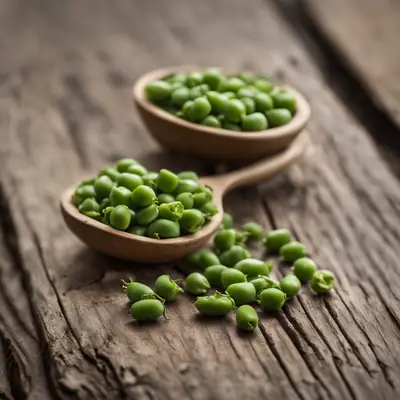
The strongest argument for a garden
Shelling peas begin converting sugar to starch within hours of picking, which is why supermarket peas taste flat and why frozen peas - blanched within hours of harvest - are often better than fresh shop ones. Home-grown peas eaten the same day are a genuinely different vegetable.
Same timing as snap peas
Sow as early as the ground can be worked, February into March. They need cool weather through flowering and pod fill, and heat ends the crop.
Yield reality check
Shelling peas give the lowest edible yield per square foot of any pea - most of the volume is pod that you throw away. Plant more row than feels necessary, or grow snap peas if space is tight.
Support and spacing
Two inches apart in a double row either side of netting works well. Even short varieties benefit from support.
Judging readiness
Pods should be round, filled and still bright green with a slight sheen. Dull, waxy or pale pods mean the peas inside have gone starchy. Open one and taste - it is the only reliable test.
No nitrogen
They fix their own. Feeding nitrogen gives vines instead of pods. A little lime on acidic soil is worthwhile.
Pests and disease
Pea aphids, powdery mildew as the weather warms, and pea enation mosaic virus in some areas - choose resistant varieties if it has been a problem. Birds pull emerging seedlings; a floating cover for the first two weeks stops that.
Harvest and storage
Pick in the cool of the morning and shell and cook or freeze the same day. Blanch for ninety seconds and freeze - the difference between that and a two-day-old fresh pea is large.
- Days to harvest
- 60-70
- Sow
- Feb-Mar
- Spacing
- 2 in
- Row spacing
- 18-24 in
- Support
- 3-5 ft
- Sun
- Full
- pH
- 6.0-7.5
- Bolts above
- ~80F