White Mulberry
Morus alba
Tougher and sweeter than the native, and considerably more willing to escape your garden.
The trade
Better fruit quality, faster to bear, and far more heat and drought tolerance. Against that: it is not native, it seeds around freely wherever birds go, and it hybridises with the native red mulberry, which is one of the recognised threats to Morus rubra. Know what you are choosing.
Plant it deliberately
Put it where volunteer seedlings will get mown or pulled - a lawn, a managed garden - not on a boundary with woodland, a creek corridor or open ground. This is the tree you choose for fruit on a tough site, with your eyes open.
Site and soil
Far less particular than the red mulberry. It tolerates poor, dry, compacted and alkaline soil, urban conditions and full exposure. Full sun gives the best fruit. Thirty to forty feet at maturity, so still a real tree.
Named cultivars are worth seeking
Illinois Everbearing (a red-white hybrid), Pakistan and Dwarf Everbearing produce much better fruit over a longer season than a wild seedling, and some are fruitless - useful if you want the shade tree without the staining. Weeping forms exist as ornamentals.
Pruning
Prune only in full dormancy in late winter; mulberries bleed heavily if cut when sap is moving. Head the tree back to keep it low enough to harvest and net. It tolerates hard pruning well, and pollarding is a traditional treatment.
Fruit and harvest
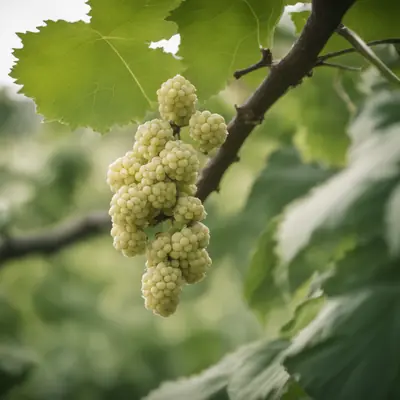
Bears in year two to four, earlier than the red. Fruit ripens over several weeks and drops when ready. Spread a sheet and shake. White mulberry fruit is generally sweeter but less tart and complex than red, and ranges from white through pink to near-black depending on variety.
Staining
Dark-fruited forms stain concrete, decking and cars as badly as red mulberry, and bird droppings spread it. White-fruited cultivars largely avoid the problem, which is a real reason to choose one.
Drought
Once established it will carry a crop through a dry summer that would stall most fruit trees. That toughness is exactly why it naturalises so readily, and why it is listed as invasive in a number of states - check your local status before planting.
Pests and storage
Few problems; popcorn disease occasionally affects individual drupelets and spotted wing drosophila the late fruit. Fruit keeps a day or two at most - freeze, dry, or make jam. The leaves are the traditional silkworm food, which is why the species was brought here in the first place.
- Hardiness
- Zone 4-9
- Mature size
- 30-40 ft
- Native
- No, introduced
- Fruits
- Year 2-4
- Light
- Full sun
- Soil
- Tolerates poor, dry
We sell this one.
See it in the shop